
Stackable pallets and parcels
A surcharge usually applies for pallets (and sometimes parcels) that are deemed “non-stackable”. This means the shipment cannot be stacked due to the shape or packaging of your goods.
Non-stackable items are costly for couriers as they lead to difficulties when transporting large numbers of shipments.
Which couriers apply the surcharge?
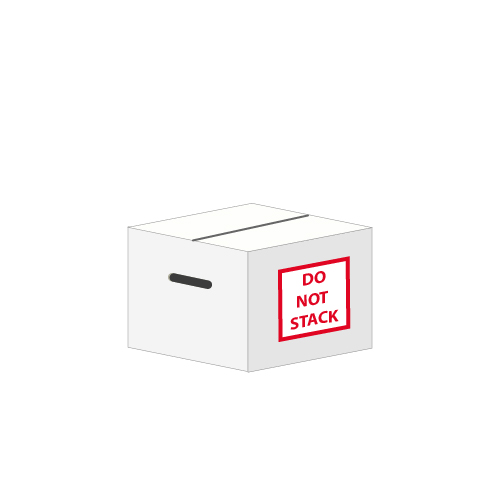
For DHL and TG Express, there is a surcharge for non-stackable pallets. Any pallet in a shipment can be deemed non-stackable due to its packaging or shape, or if it is marked with DO NOT STACK instructions.
TNT apply a surcharge for any non-stackable piece, which means any parcel or pallet that cannot be stacked or put in a cage due its shape or packaging.
For FedEx and TG International, there is a surcharge for any piece, skid or pallet that cannot be stacked due to its shape or packaging.
All couriers class plastic pallets as non-stackable, and therefore these will incur a surcharge.
Please see our surcharges page for the most up-to-date list.
Indicating if your items are stackable
Once you’ve entered your shipment details and received your quote results, you can indicate whether your items are stackable using the "Items are stackable?" toggle shown at the top of the quote results page.
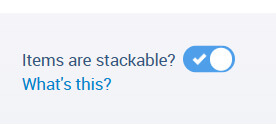
Selecting this correctly ensures your quote includes any applicable non-stackable surcharges. If items are later deemed non-stackable and were not declared, additional charges may be applied by the courier.
How to pack so they can stack
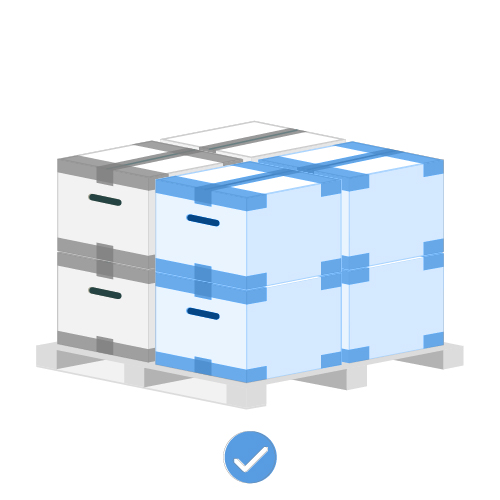
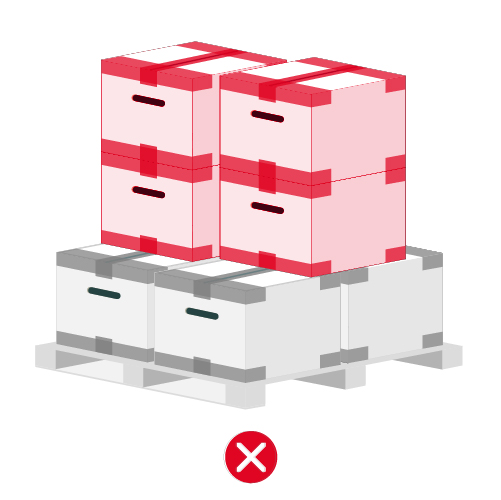
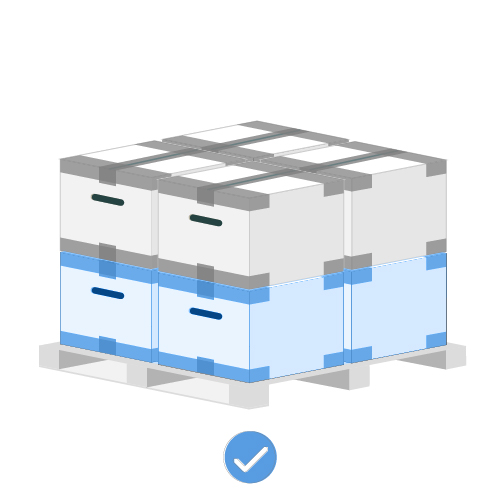
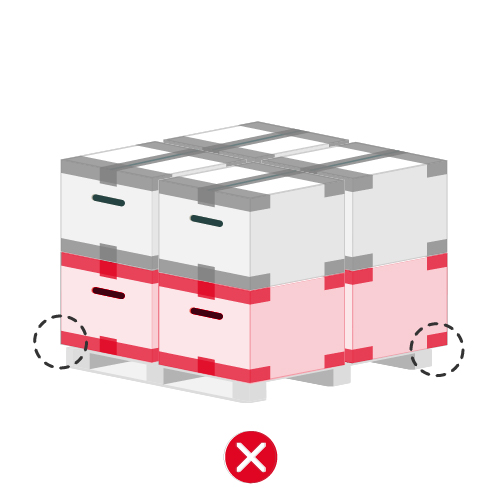
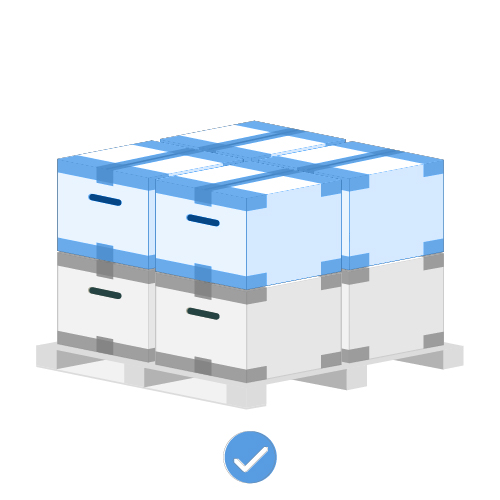
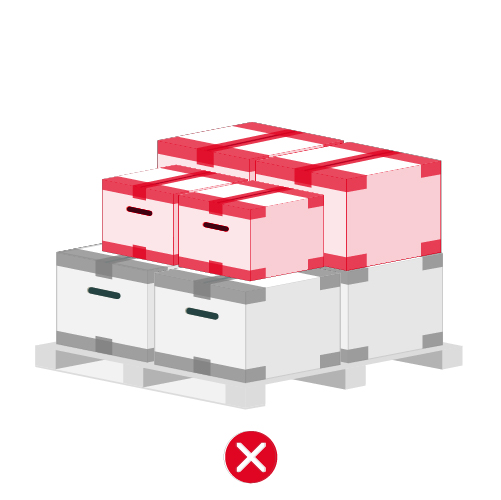
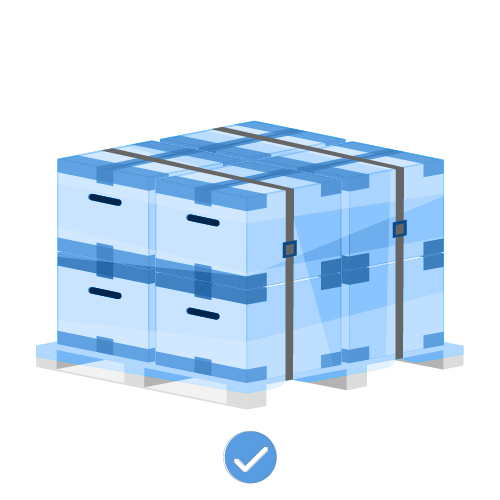
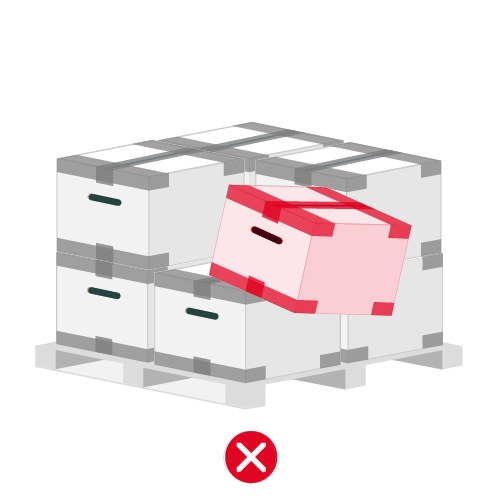
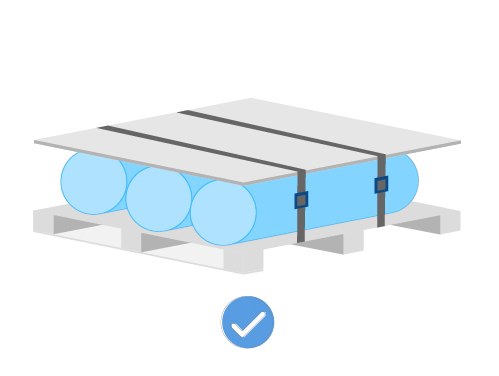
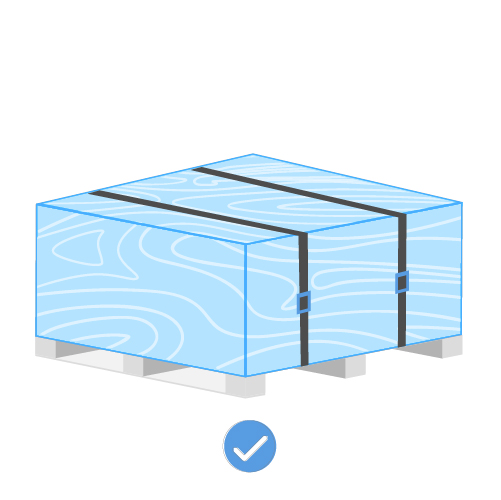
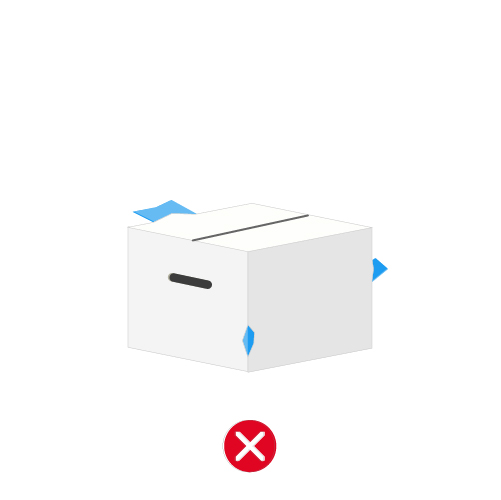
There are some simple rules for helping to ensure stackability. This is in addition to the general packaging guidance that applies for any kind of shipment.







Be the first to know about the latest services